
Smoke & CO Detector Installation in Silver Spring, MD
A detector only helps if it is where the smoke will reach it and its sound reaches you. We place, wire and test them so every bedroom and floor is covered.
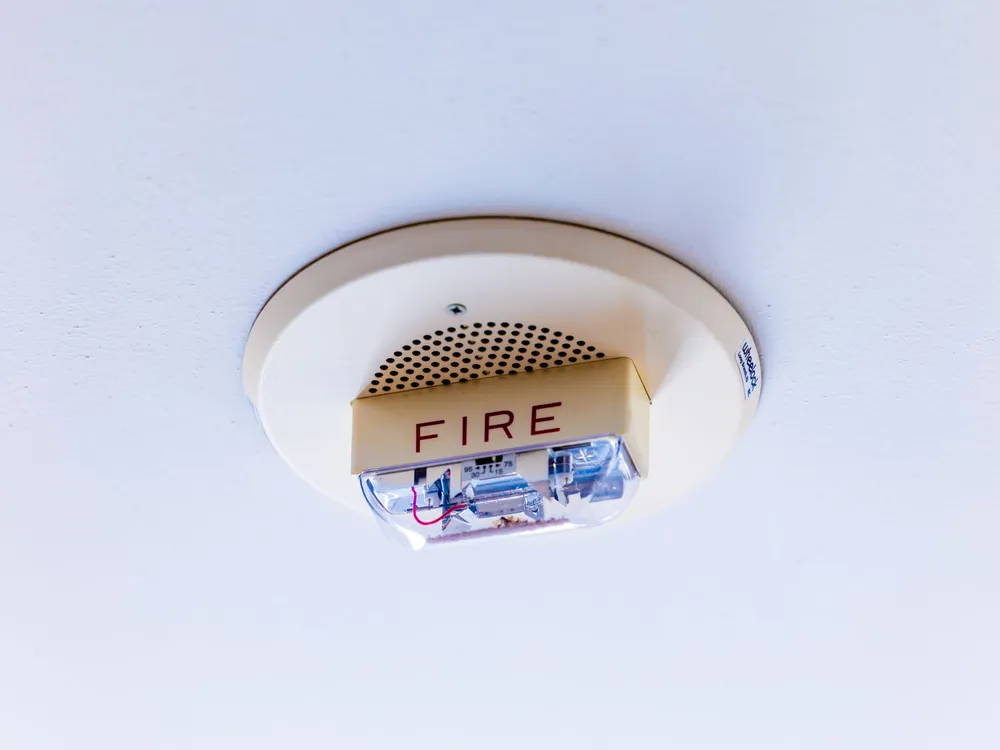
Smoke and carbon monoxide detectors that actually do their job
Smoke detectors and carbon monoxide detectors are among the cheapest and most effective safety devices in a house, and among the most neglected. They expire, their batteries die, someone takes one down because it chirps, and a house that was once covered quietly stops being covered. Fires and CO leaks tend to happen at night, which is when a working detector in the right spot matters most.
Where a detector goes matters as much as having one. The usual guidance is a smoke alarm inside every bedroom, outside each sleeping area and on every level of the home, including the basement. Carbon monoxide detectors belong near sleeping areas and on each level, and in homes with a fuel-burning furnace, water heater, fireplace or attached garage they are especially important. Kitchens need care, because a detector too close to the stove is a nuisance that tempts people to remove it.
There are two ways to power them. Hardwired detectors connect to the house wiring with a battery backup and can be interconnected, so when one sounds they all do. Battery models are simpler and work anywhere, including where running wire is not practical. Maryland has specific rules on smoke and CO alarms in homes, including for sealed 10-year battery models, and we can tell you which apply to your house.
Signs your detectors need attention
- Detectors older than about ten years. Smoke detectors wear out and should generally be replaced after ten years. The date is printed on the back.
- Chirping or nuisance alarms. A chirp usually means a dead battery or an expired unit. Repeated false alarms may mean the detector is in the wrong spot.
- No detector in each bedroom or on each level. Coverage gaps are common, especially in older homes and finished basements.
- Mixed detectors that do not sound together. In a larger house, interconnected alarms sound together, so the one near the fire warns the people upstairs.
- Fuel-burning appliances with no CO detector. A gas furnace, water heater or attached garage is a reason to have CO detection near the bedrooms.
How we install smoke and CO detectors
Walk the house and plan coverage
We count bedrooms and levels, note fuel-burning appliances, and decide where each detector should go.
Choose hardwired or battery
Where there is wiring and a good ceiling path we can hardwire and interconnect. Elsewhere we use sealed battery units.
Install and connect
We mount each unit, connect the wiring and interconnect cables where used, and set the battery backup.
Test and label
We test every alarm, confirm the interconnected ones sound together, and show you the date to replace each.
What affects the price of detector installation
A battery detector on a ceiling is simple. A hardwired, interconnected system takes more work. These factors set the price:
Number of detectors
Covering every bedroom and level takes more units than one near the kitchen.
Hardwired or battery
Hardwiring needs cable run from a power source and between units, and interconnecting adds more.
Ceiling and attic access
Finished ceilings with no attic above need careful fishing of cable.
Combination units
Smoke and CO combination detectors cost more per unit but cover more with fewer devices.
Why Zavala Electric for detector installation
This is the one job where doing it right has the highest stakes and the lowest cost. We place detectors with the layout of your house in mind, not just where the old one happened to be.
We also tell you which ones are expired and which are fine, so you do not replace more than you need to.
Where we do this work
We install smoke and CO detectors in homes across Silver Spring, from older houses with no coverage in the bedrooms to townhomes with several levels. We also serve Wheaton, Rockville, Bethesda and Washington, DC.
Smoke & CO Detector Installation questions, answered
How many smoke detectors does my house need?
The general guidance is one inside every bedroom, one outside each sleeping area, and one on every level including the basement. A three-bedroom, two-story house usually needs six or more.
How often should detectors be replaced?
Smoke detectors are generally replaced every ten years, and carbon monoxide detectors on a schedule the manufacturer sets, often five to ten years. The manufacture date is printed on the back.
What is the difference between ionization and photoelectric smoke detectors?
Ionization detectors respond faster to flaming fires, and photoelectric detectors respond faster to smoldering ones. Many combination units use both, and photoelectric models are less prone to false alarms near kitchens.
Should the detectors be interconnected?
It is a good idea in any house with more than one floor. When one alarm detects smoke, all of them sound, so people on every level are warned.
Where should a carbon monoxide detector go?
Near bedrooms and on each level, and near fuel-burning appliances without being right next to them. Check the manufacturer’s instructions on placement and height.
Are there Maryland rules for smoke and CO alarms?
Yes. Maryland has requirements for smoke alarms in homes, including for sealed 10-year battery models, and for carbon monoxide alarms where there are fuel-burning appliances or an attached garage. Ask us what applies to your house.
Often needed alongside smoke & co detector installation
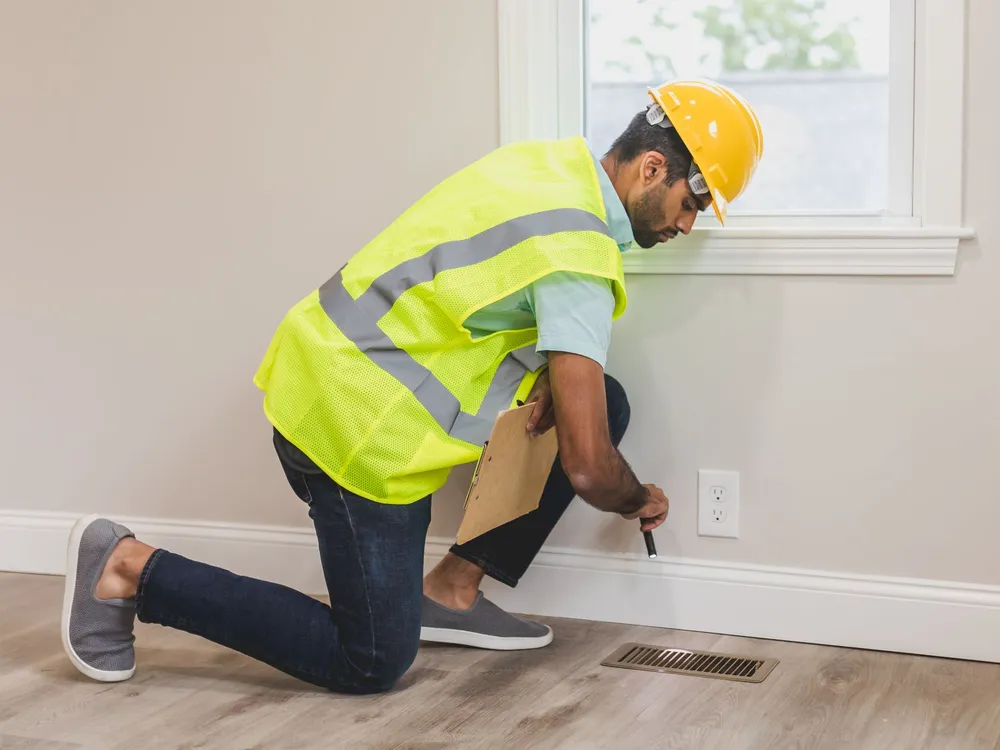
Electrical Inspection
A look at your panel, outlets and wiring before you buy, renovate or add load.
Learn more →
GFCI & AFCI Outlet Installation
Shock and arc-fault protection where kitchens, baths and bedrooms need it.
Learn more →
Electrical Repair & Troubleshooting
Dead circuits, tripping breakers, buzzing outlets: find the cause, then fix it.
Learn more →
All Safety & Inspections
Electrical inspections and smoke and CO detector installation for peace of mind.
Learn more →Make sure every bedroom and level is covered
Tell us about the house and we will tell you how many detectors and what type.
¿Prefiere español? Llame al (507) 491-2869.