
Ceiling Fan Installation in Silver Spring, MD
A fan is moving weight and electricity at the same time. It needs a box built for the load, wiring that matches the switches, and blades that run true.
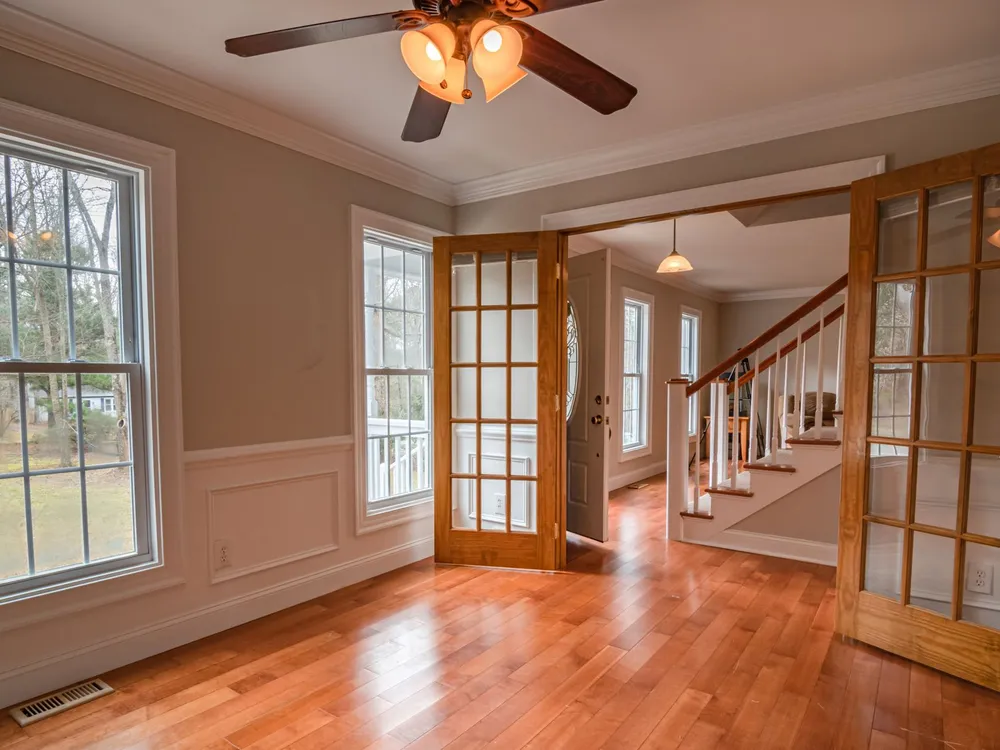
A ceiling fan that stays up, stays quiet and works from the wall
Ceiling fans are one of the most practical upgrades for Maryland homes, where summers are hot and humid and many older houses have no central air in every room. A fan makes a bedroom or a porch bearable and can let you set the thermostat a couple of degrees higher. In winter, running it on low in reverse pushes warm air back down from the ceiling.
What separates a fan that lasts from one that wobbles itself loose is what is behind the ceiling. A fan cannot hang from the standard plastic box that supports a light fixture; it needs a box listed and braced for the weight and motion of a fan, usually attached to a joist or a brace between joists. If the old box was only holding a light, it has to be replaced, which is the single most common reason a quick fan swap turns into a longer job.
The second half is the control. A fan often has a light kit, so you may want separate switches for the fan and the light, a dimmer that works with the light, or a remote. We look at what wiring exists in the ceiling and the switch box, and set it up so the controls do what they say. Then we mount the fan at a proper height, balance it, and check for wobble, noise and clearances.
Signs it is time to install or replace a fan
- A bedroom that stays hot at night. Moving air makes a room feel several degrees cooler, and a fan costs a fraction of what extra air conditioning does.
- An existing fan that wobbles or clicks. Usually loose mounting, an unbalanced blade, or a ceiling box that was never rated for a fan. It can work itself looser over time.
- A light fixture where you want a fan. Swapping one for the other means replacing the box, not just the fixture.
- A fan with a remote that stopped working. It may be the receiver, the batteries or the wiring. We figure out which before replacing parts.
- A covered porch or deck with no air movement. Outdoor ceiling fans have to be wet- or damp-rated for the location.
How we install a ceiling fan
Check the ceiling and the controls
We look at the box, the ceiling height, the framing above it and the wiring at the switch to decide how the fan will be mounted and controlled.
Install a fan-rated box
If the existing box is not rated for a fan, we replace it with one braced to the framing so the fan is held securely.
Assemble, mount and wire
We assemble the fan, hang it with the right downrod for the ceiling, and connect the fan, light and any remote or wall control.
Balance and test
We run every speed, check the blades for wobble, confirm the direction switch and light work, and clean up before leaving.
What affects the price of ceiling fan installation
Hanging a fan on an existing fan-rated box is straightforward. These are the factors that move the number up:
Replacing or adding a box
Going from a light to a fan, or into a ceiling with no wiring, means new support and wire.
Ceiling height and downrod
High or sloped ceilings need longer downrods and more care to hang the fan at a safe height.
New switch or remote
Separate switches for fan and light, or a remote receiver, add wiring or components.
Assembly complexity
Large fans with multiple blades or integrated lights take longer to put together and balance.
Why Zavala Electric for fan installation
A fan hung on the wrong box can work loose months later, so we do not do it that way. Every fan we install gets a proper support, a balanced set of blades and a test at every speed.
You also get honest advice on picking a fan for the room: the right size, the right height for your ceiling, and whether a hugger style fits your 8-foot ceiling better.
Where we do this work
We install ceiling fans in homes across Silver Spring, including 1950s houses with lower ceilings and townhomes with vaulted bedrooms. We also serve Wheaton, Rockville, Bethesda and Washington, DC.
Ceiling Fan Installation questions, answered
Can a ceiling fan go where a light fixture is now?
Often yes, but the box usually has to be replaced with one rated for a fan, because a light box is not built for the weight and motion of a fan. We check the box before quoting.
How high should a ceiling fan hang?
The blades should be at least seven feet above the floor, and most fans work best about eight to nine feet up. On a standard 8-foot ceiling, a low-profile fan that sits close to the ceiling is usually the better choice.
Why does my fan wobble?
Common causes are blades that are not balanced, a loose mounting bracket, or a box that is not properly braced. A balancing kit solves some wobble, but if the mounting is loose the box needs to be fixed.
Which direction should my fan turn?
In summer, the fan should push air down, which feels like a breeze. In winter, run it on low in the reverse direction to draw air up and push warm air that collects near the ceiling back into the room.
Can I control the fan and light separately?
Yes. If there are two switches or enough wires in the box, we can set up separate wall switches. Otherwise a remote or a pull chain does the same job. We tell you which your wiring supports.
Can I install an outdoor ceiling fan on my porch?
Yes, as long as the fan is rated for the location: damp-rated for covered porches and wet-rated for exposed spots. A fan that is not rated for the weather will rust and fail early.
Often needed alongside ceiling fan installation
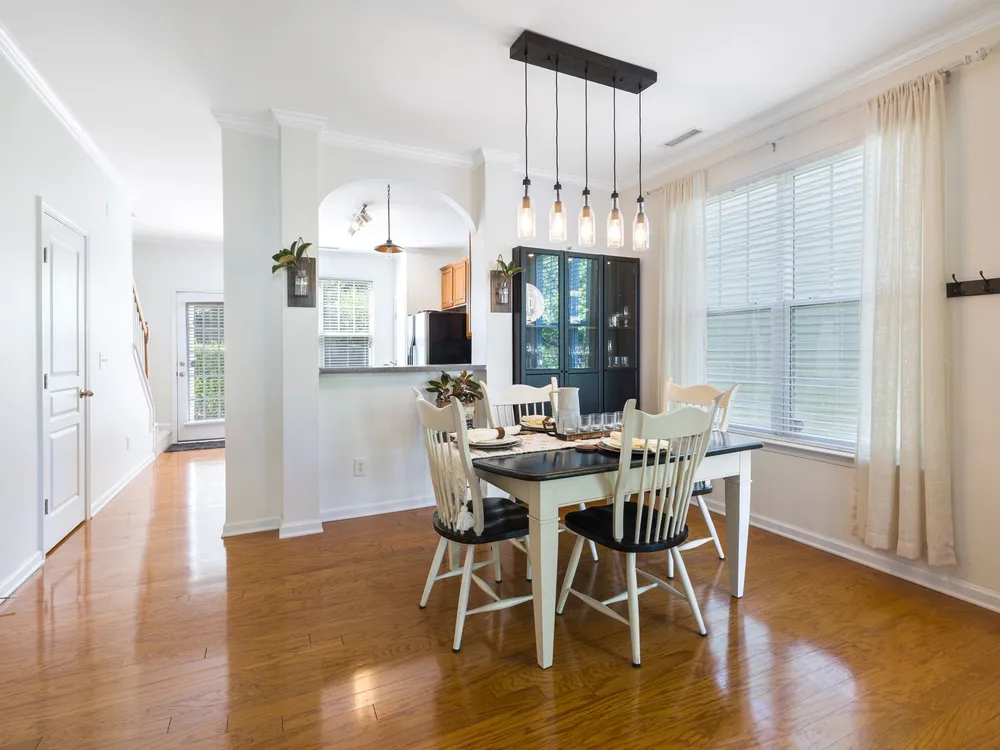
Light Fixture Installation
Pendants, chandeliers and vanity lights hung safely and wired correctly.
Learn more →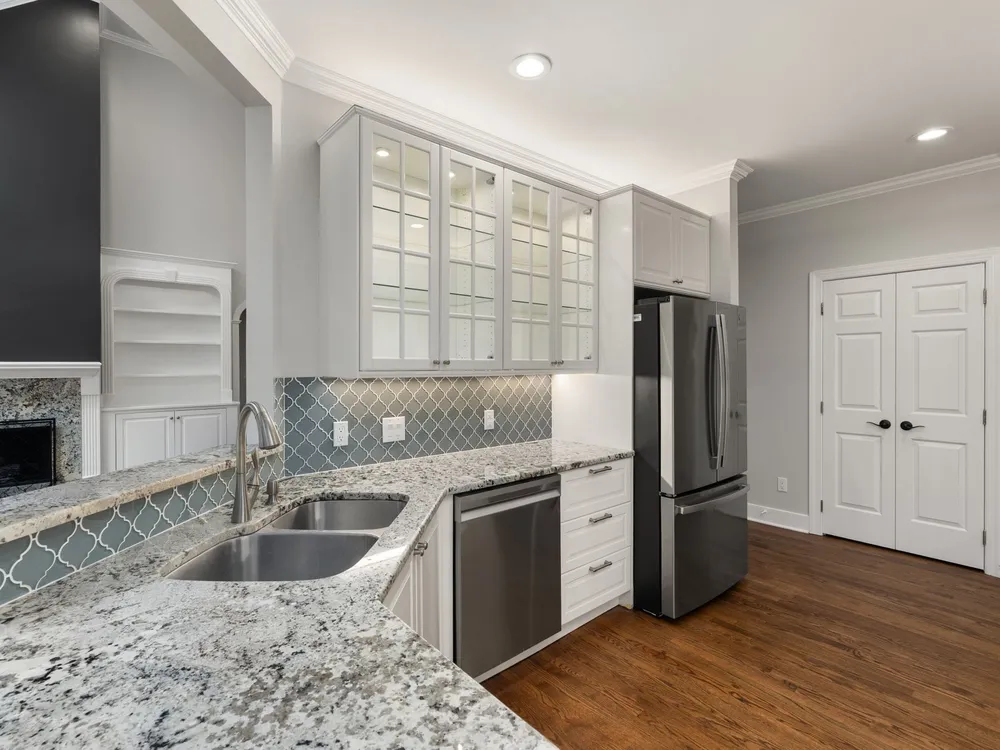
Recessed Lighting Installation
Clean, even ceiling light for kitchens, basements and living rooms.
Learn more →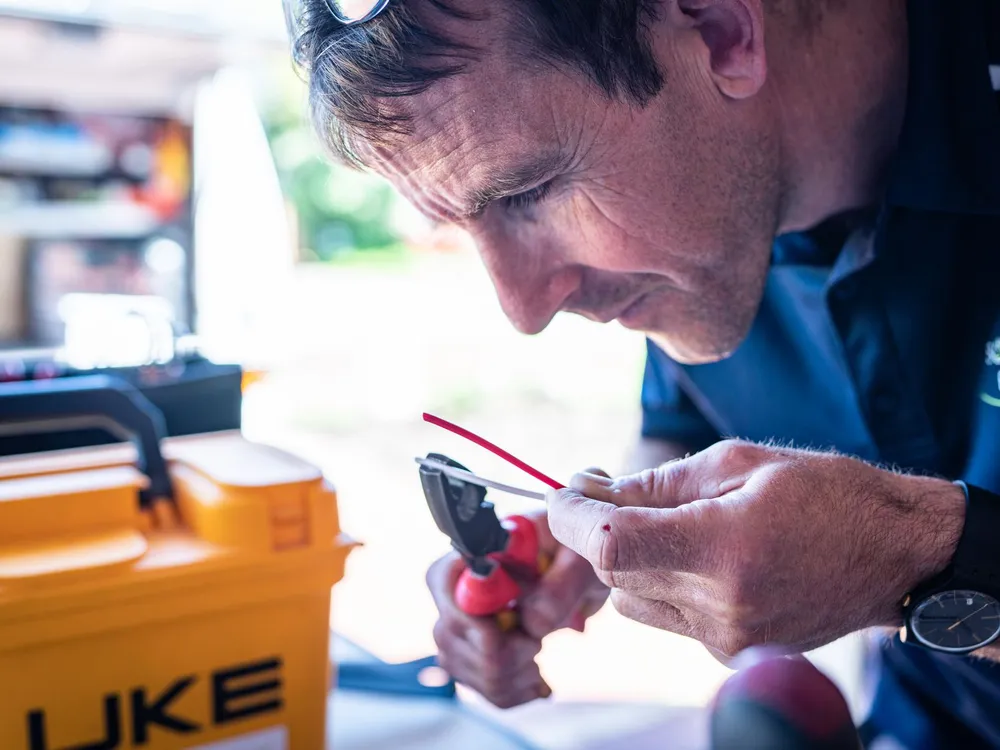
Electrical Repair & Troubleshooting
Dead circuits, tripping breakers, buzzing outlets: find the cause, then fix it.
Learn more →
All Outlets, Switches & Lighting
New and replacement outlets, GFCI protection, recessed lights, fans and fixtures.
Learn more →Get a fan that stays put and runs quiet
Tell us the room and the ceiling height and we will quote the installation.
¿Prefiere español? Llame al (507) 491-2869.