Electrical Inspection in Silver Spring, MD
Before you buy, renovate or add a big new load, find out what the electrical system in your house can handle and whether anything in it needs attention.
A clear picture of your home’s electrical system
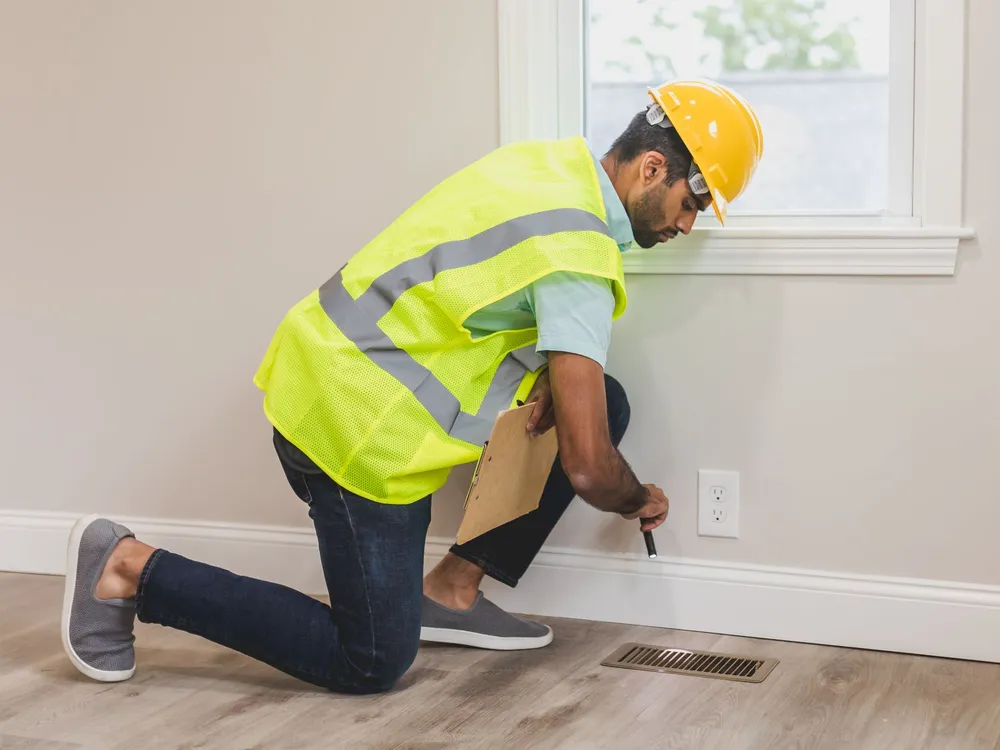
An electrical inspection is a structured look at the system behind your walls: the service coming into the house, the panel, the wiring that runs to each room, the outlets and switches, and the safety devices. A general home inspector checks the electrical system as one part of a long report. An electrician’s inspection goes deeper into it, tests more of it and can tell you what a fix would involve.
The situations where it pays off are predictable. Before you buy an older home, an inspection can reveal an outdated panel, ungrounded outlets or wiring that an insurer will question, so it becomes part of your negotiation instead of a surprise after closing. Before a renovation or addition, it tells you whether the existing service has the capacity or needs an upgrade. And if you just moved in and the house has quirks, it gives you a list of what is worth fixing first.
In this area the age of the housing makes this useful. Houses in Silver Spring, Wheaton and Bethesda span a wide range, and a single house can hold wiring from three different decades. We look at what is there, test what can be tested, and write up what we found in plain terms: what is fine, what should be watched and what should be fixed.
When an electrical inspection is worth it
- Buying an older home. Before closing is the best time to learn about an outdated panel, ungrounded outlets or wiring that will need work.
- Planning a renovation, addition or new appliance. Adding a kitchen, a finished basement, a hot tub or an EV charger adds load. The service has to be able to take it.
- Recurring electrical trouble. Breakers that trip, flickering lights and warm outlets are easier to solve when the system as a whole is understood.
- Insurance or lender questions. Some insurers ask about the panel brand, knob-and-tube or aluminum wiring. An inspection gives you facts to work with.
- A house that has been renovated many times. Each owner adds circuits and splices. An inspection shows whether the system still hangs together.
How we inspect a home’s electrical system
Look at the service and the panel
We check the size and condition of the service, the panel brand and age, the breakers, the labeling and the grounding.
Test outlets, switches and safety devices
We test outlets for correct wiring and grounding, check GFCI and AFCI protection, and confirm smoke and CO detectors are in place.
Look at the visible wiring
In the attic, basement and crawl space we look for old wiring types, damaged cable, bad splices and signs of overheating.
Report what we found
You get a plain explanation of what is fine, what needs attention and what we recommend, in order of priority.
What affects the price of an electrical inspection
An inspection is priced by how much there is to look at and how much testing it takes. The factors are simple:
Size and age of the house
A small condo takes less time than a large house with several additions.
Access to attic, basement and panel
Easy access speeds things up. Locked spaces and cluttered panels slow them down.
Scope of the report
A quick safety check and a full written report for a purchase are different scopes. Tell us which you need.
Follow-up work
The inspection finds problems. Fixing them is quoted separately, and you decide what to do.
Why Zavala Electric for inspections
An inspection is only useful if you trust the answer. We tell you what we find, including when the answer is that things are fine, and we do not turn every finding into a sales pitch.
If you need a formal report for a transaction or a permit, tell us up front so we can explain what we can provide.
Where we do this work
We inspect electrical systems in homes across Silver Spring, including older houses and townhomes. We also serve Bethesda, Wheaton, Rockville and Washington, DC.
Electrical Inspection questions, answered
How is this different from a home inspector’s electrical check?
A home inspector covers the whole house at a general level. An electrician’s inspection goes deeper on the electrical system, tests more of it and can explain what a repair or upgrade would involve.
What panels are known problems?
Certain older panel brands, such as Federal Pacific Stab-Lok and Zinsco, have documented problems, and insurers often ask about them. We identify the brand and tell you what we recommend.
Will an inspection tell me if I need a service upgrade?
It tells you what the service is rated for and what the house currently draws. If you plan to add a big new load, we can say whether the current service has the room or whether an upgrade is needed.
Can I get an inspection before I buy?
Yes, and it is a good time to do it. The findings can be part of your negotiation or help you plan costs. Tell us your timeline when you call.
Do you fix what you find?
We can quote the fixes separately. You are not obligated to use us for the repairs, and a clear list of what needs to be done is useful either way.
Does an inspection mean my house will fail some official test?
No. This is a look at condition and safety, not a pass or fail by a government inspector. Permit inspections for new work are a separate process.
Often needed alongside electrical inspection
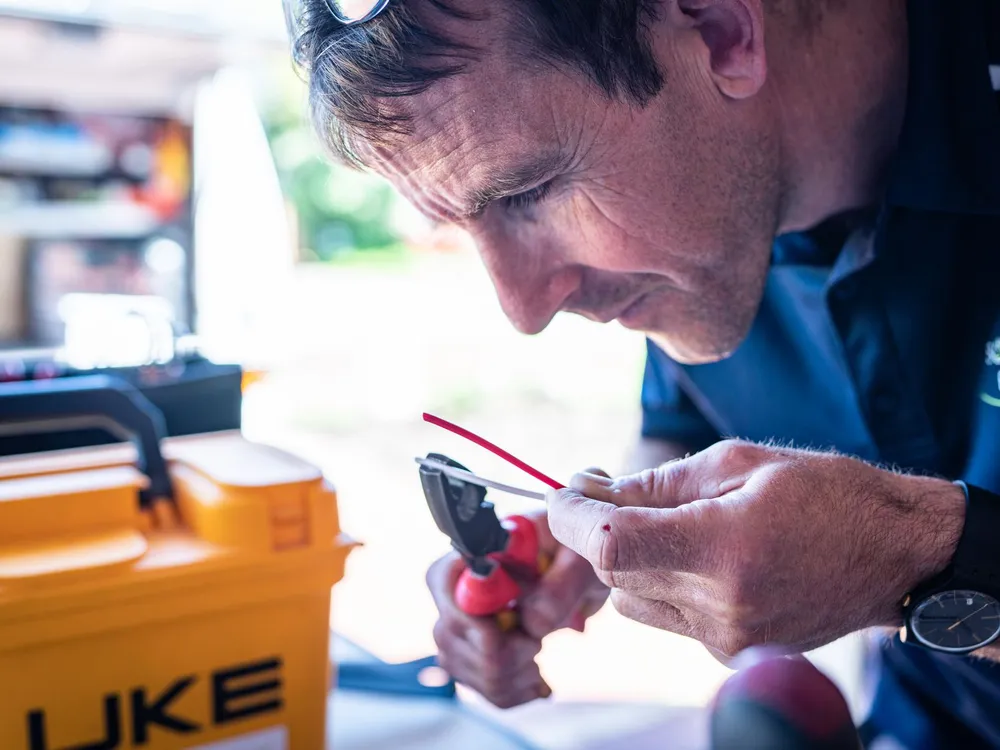
Electrical Repair & Troubleshooting
Dead circuits, tripping breakers, buzzing outlets: find the cause, then fix it.
Learn more →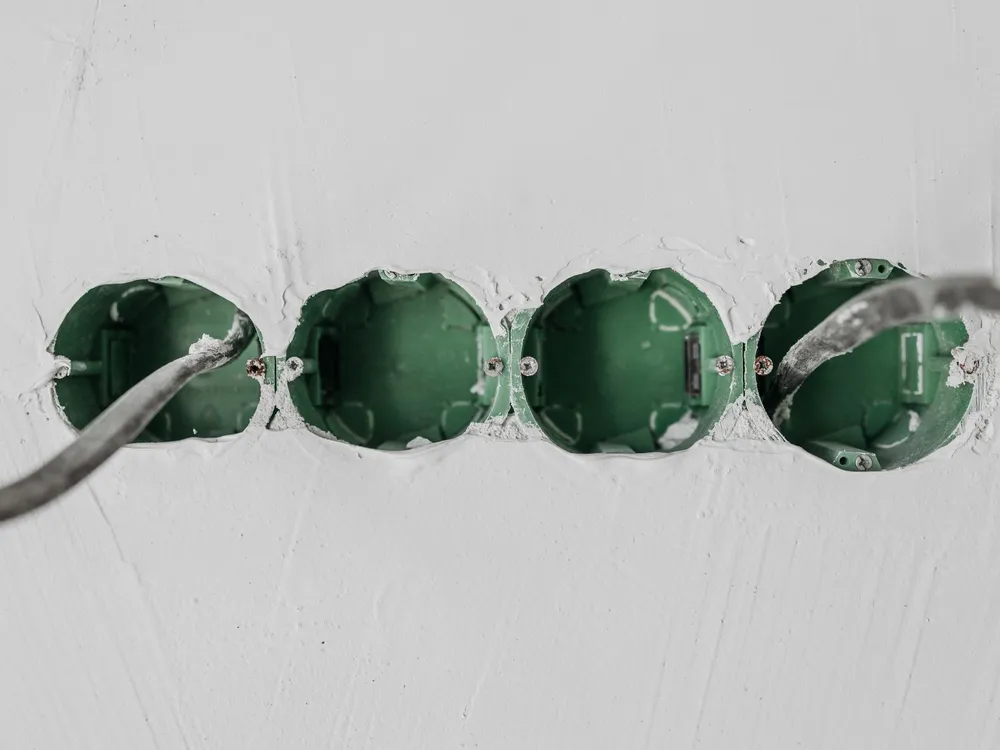
House Rewiring
Replace worn, undersized or outdated wiring in older Maryland homes.
Learn more →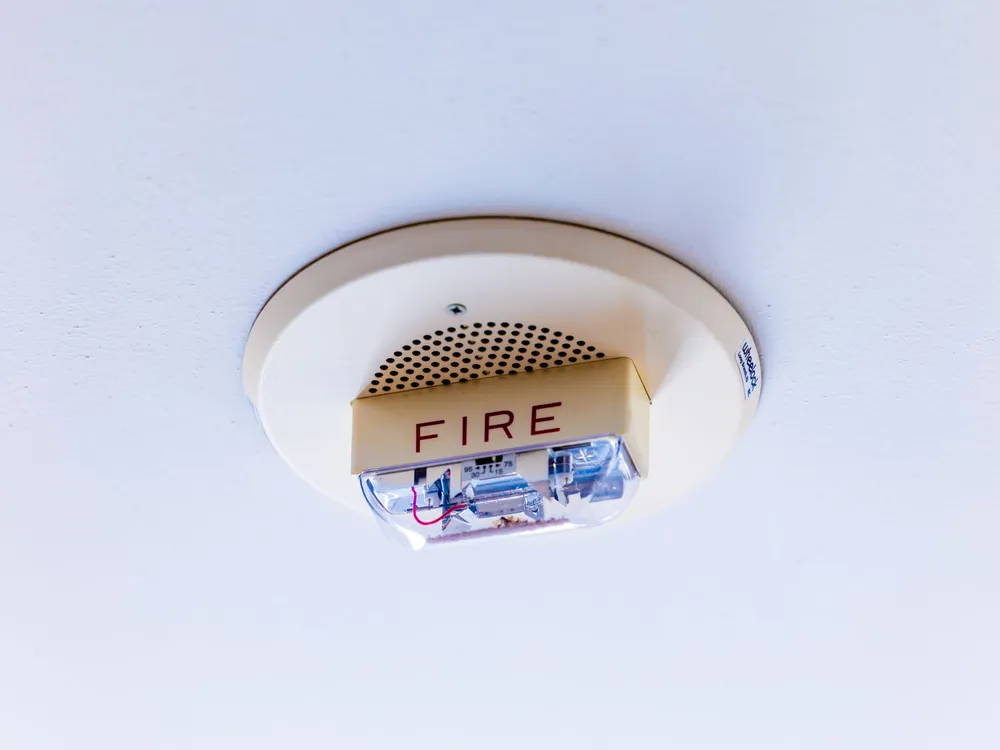
Smoke & CO Detector Installation
Detectors placed where they will actually wake you, hardwired or battery.
Learn more →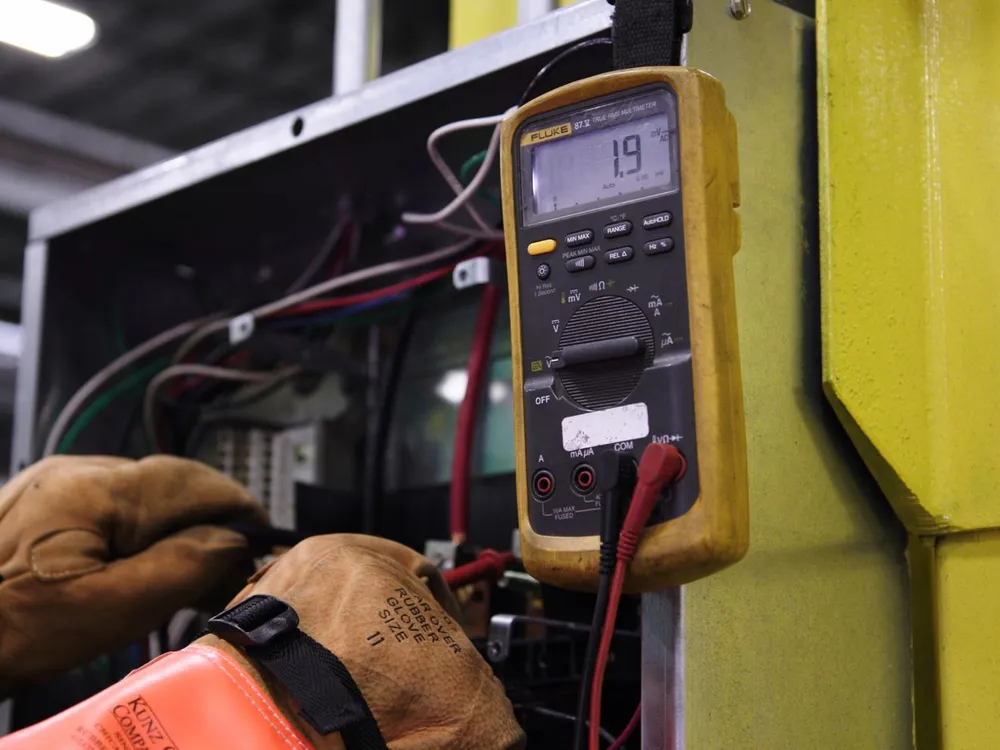
All Safety & Inspections
Electrical inspections and smoke and CO detector installation for peace of mind.
Learn more →Know what is behind your walls
Tell us about the house and why you want an inspection and we will tell you what to expect.
¿Prefiere español? Llame al (507) 491-2869.