
House Rewiring in Silver Spring, MD
The wiring in the walls of an older house was built for a different century of electricity use. Rewiring replaces what has worn out and brings the house up to the way you live now.
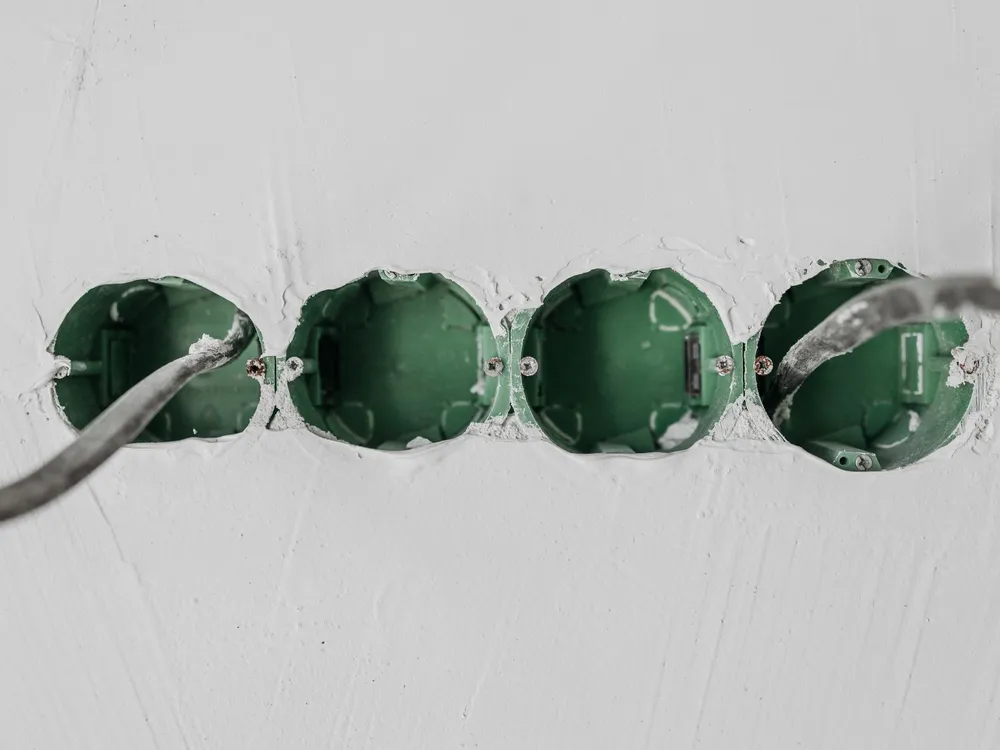
When patching is not enough and the wiring itself needs to go
Rewiring means replacing the wires inside the walls, not just the outlets and switches you can see. It is the larger job, and it is the right one when the wiring has aged past the point where repairs hold. In Silver Spring, where much of the housing dates from the 1920s through the 1960s, that happens more often than people expect.
The wiring problems that call for it follow the decade the house was built. Knob-and-tube wiring, used in homes into the 1940s, has no ground and can be a hazard when it is buried in insulation or has been spliced by later owners. Cloth-insulated cable gets brittle and cracks. Aluminum branch wiring, used in some homes from the mid-1960s to the mid-1970s, expands and loosens at connections in a way copper does not. And two-wire circuits, with no ground, cannot support modern electronics the way grounded ones do.
Rewiring is also a project, not a visit. It usually means working through the house room by room, opening small access points in walls and ceilings, pulling new cable, and bringing the circuits back together at the panel. It requires a permit and inspections, and the house stays livable if it is staged properly. We lay out the plan with you first: which circuits, in what order, and what finishing work is left behind.
Signs your house may need rewiring
- Knob-and-tube or cloth-covered wiring. If you can see ceramic knobs and cloth-wrapped wire in the attic or basement, the house was wired before grounded cable became standard.
- Aluminum wiring from the 1960s or 70s. It needs specific connectors and can be a concern when outlets run warm or fail. Worth having evaluated.
- Two-prong outlets throughout. It suggests ungrounded wiring across the house, which a few GFCIs only partly solve.
- Frequent breaker trips, flickering or warm outlets. When these show up in several rooms, the problem is usually the system, not a single device.
- An insurer or inspector flagged the wiring. Insurance companies and home inspectors often single out knob-and-tube and aluminum wiring.
How a rewiring project works
Evaluate the house
We trace what the wiring is, where it runs and what condition it is in, and what the panel and service can handle.
Plan the scope and the order
We agree on which rooms and circuits, how the work will be staged, and how the house stays livable.
Pull permits and run new wire
We pull the permit, open access points, pull new cable and install new boxes, outlets and switches.
Inspection, connection and testing
The work is inspected, the old wire is retired and the circuits are tested before the walls are closed up.
What affects the price of rewiring a house
Rewiring is one of the bigger electrical jobs, and the price varies a lot from one house to the next. Here is what drives it:
Size of the house and number of circuits
A small bungalow and a four-bedroom colonial are very different amounts of wire.
Access to the walls and ceilings
An open basement and attic make runs simple. Plaster walls and finished spaces need more care and more patching.
Full or partial rewire
Some houses only need the worst circuits replaced. Others need a full rewire and a panel upgrade.
Permits, inspection and finish work
Rewiring requires permits and inspection, and the drywall or plaster patching is often separate from the electrical work.
Why Zavala Electric for house rewiring
Rewiring is a job where honesty matters. We tell you what we find, what is urgent and what can wait, and we do not promise a full rewire when a partial one will do.
We also tell you early if a job is beyond what a small company takes on, and we do not take work we are not set up to do well.
Where we do this work
We take on rewiring in older homes across Silver Spring, where 1920s to 1950s houses are common. We also serve Wheaton, Rockville, Bethesda and Washington, DC.
House Rewiring questions, answered
How do I know if my house has knob-and-tube wiring?
Look in the attic or basement for ceramic knobs and tubes holding single, cloth-covered wires. If your house was built before the 1950s and has never been rewired, it is worth having an electrician check.
Is knob-and-tube wiring dangerous?
Not automatically. It has no ground, and it was designed to stay cool in open air, which means insulation around it, overloaded circuits and old splices are the risks. Condition and how it has been modified matter more than age.
What is wrong with aluminum wiring?
Aluminum expands and contracts more than copper, which can loosen connections over time and cause heat at outlets and switches. It can be made safer with special connectors or replaced.
Can I stay in the house during a rewire?
Usually, yes. The work is staged by room or circuit, and power is restored at the end of each day where possible. We discuss what to expect for your house before we start.
Will rewiring damage my walls?
It requires opening small sections of walls and ceilings to pull the cable, and in plaster houses that takes care. Patching and painting are generally separate from the electrical work, and we explain what is left for you to finish.
Does a rewire need a permit?
Yes. A rewiring project is permitted and inspected, and the specifics depend on the jurisdiction. We tell you what applies at your address and handle the process with you.
Often needed alongside house rewiring
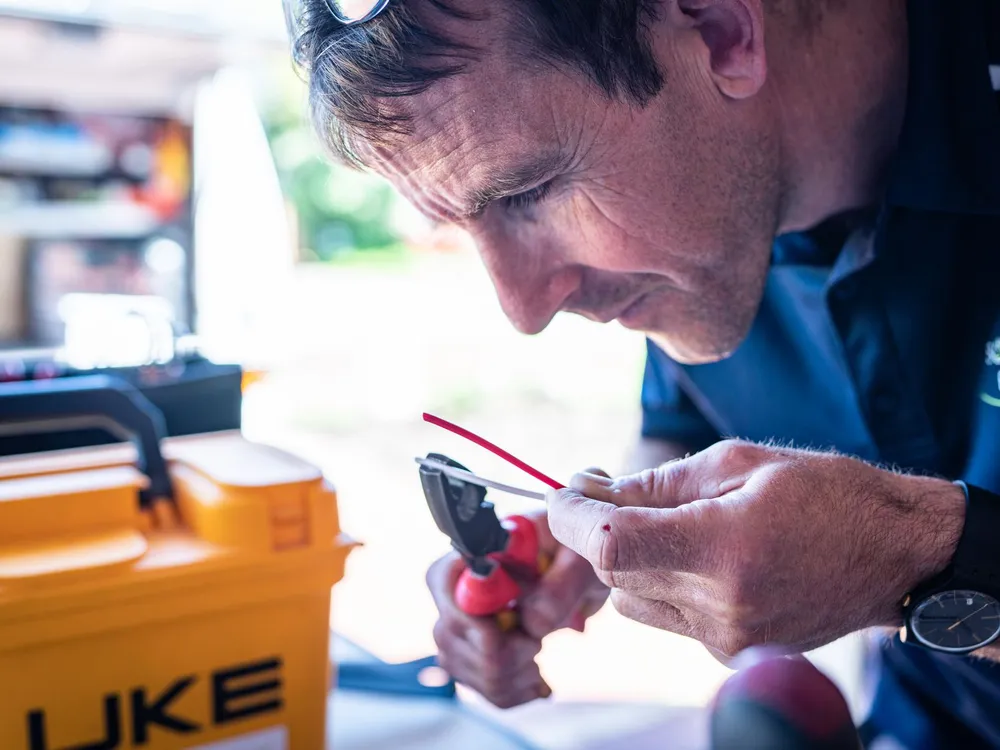
Electrical Repair & Troubleshooting
Dead circuits, tripping breakers, buzzing outlets: find the cause, then fix it.
Learn more →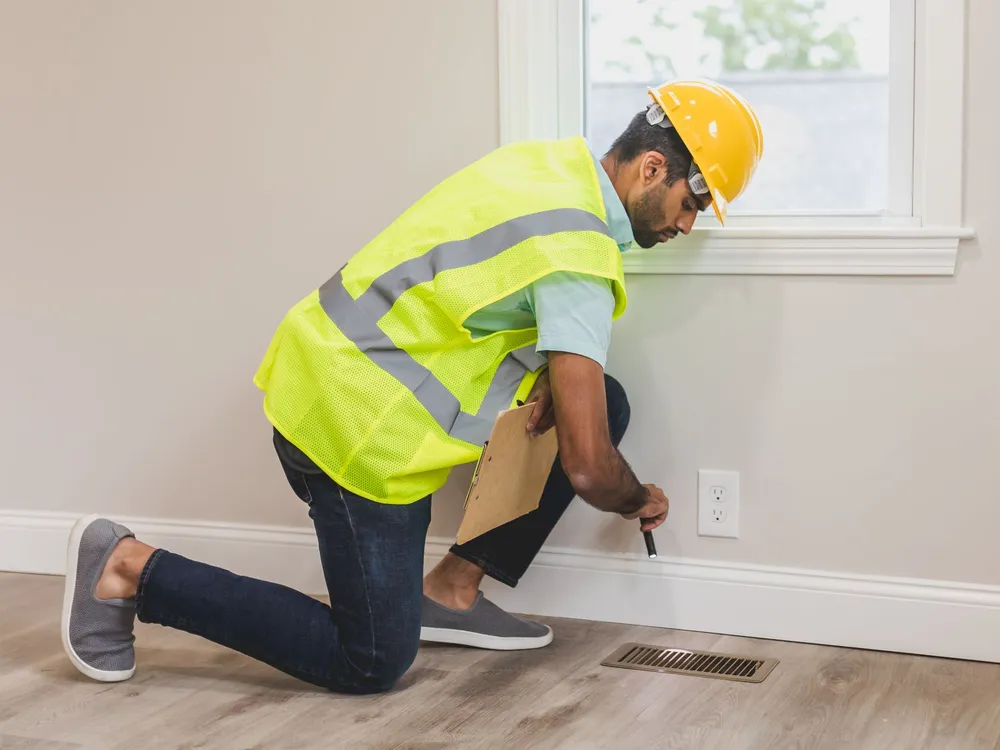
Electrical Inspection
A look at your panel, outlets and wiring before you buy, renovate or add load.
Learn more →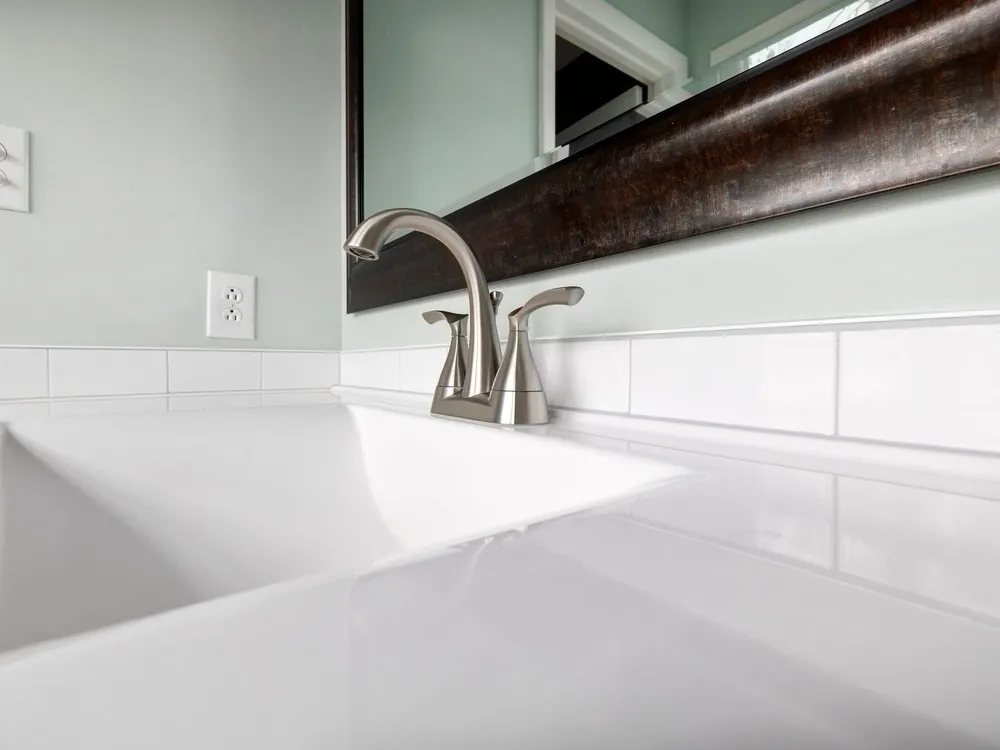
GFCI & AFCI Outlet Installation
Shock and arc-fault protection where kitchens, baths and bedrooms need it.
Learn more →
All Wiring & Repairs
Troubleshooting, repairs, outage diagnosis and rewiring for older Silver Spring homes.
Learn more →Find out what is in your walls
Tell us how old the house is and what you have noticed, and we will tell you what a rewire would involve.
¿Prefiere español? Llame al (507) 491-2869.