EV Chargers & Specialty Circuits in Silver Spring, MD
Home EV charging is a good use of a garage wall, if the electrical system behind it can carry the load.
What home EV charging needs from your electrical system
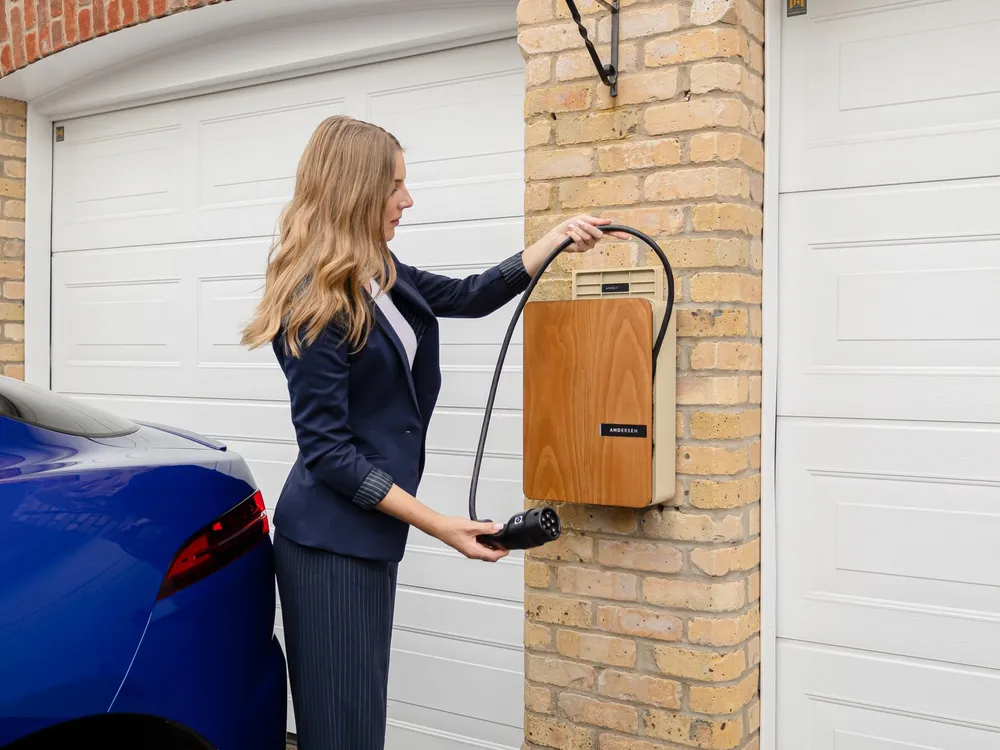
Plugging an electric car into an ordinary outlet works, but slowly, adding only a few miles of range per hour. That is why many owners install a Level 2 charger, which runs on a 240-volt circuit similar to an electric dryer or range and can fill a battery overnight. The charger is the visible part. The circuit that feeds it is the work, and it usually means a dedicated breaker, heavy cable and a run from the panel to the garage or driveway.
The big question is whether your panel has the room. Charging a car is a continuous load, so electrical rules size the circuit with extra margin, and a 40- or 50-amp circuit can be a lot for a house with a 100-amp service already carrying an electric range or heat pump. Sometimes the answer is a straightforward new breaker. Sometimes it is a load calculation, a smart charger that limits its draw, or a service upgrade. In many townhouses and condos there are additional questions about shared panels, garage access and association rules.
The same logic applies to other specialty circuits: a dedicated line for a large appliance, a hot tub, a workshop. They are all about adding a heavy load to a system that was designed before the load existed. Whether Zavala Electric takes on a particular charger or specialty circuit depends on the job, and the first step is the same either way: call and describe the house, the panel and what you want to add.
Why start with an honest conversation
High-load circuits are where cutting corners shows up later, as a tripping breaker or a hot connection. We would rather spend ten minutes on the phone working out whether your panel can take a charger than quote something that does not fit.
And if the job is outside what we take on, you will hear that from us directly, so you can find the right person without losing time.
EV Chargers & Specialty: common questions
What does a home EV charger installation involve?
Usually a dedicated 240-volt circuit with its own breaker, heavy cable from the panel to the charger location, and a charger mounted on a wall or post, or a heavy-duty outlet for a plug-in unit. The details depend on the distance from the panel and the charger you choose.
How do I know if my panel can handle an EV charger?
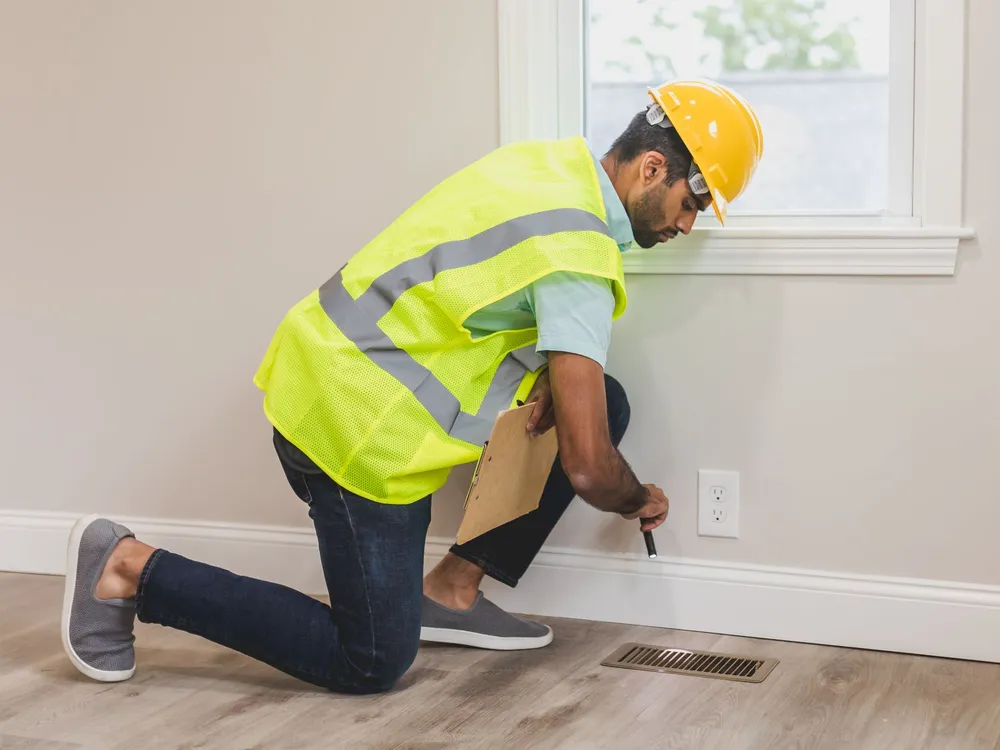
It depends on the service size, what else the house runs and how much space the panel has. A load calculation answers it, and an inspection is a good first step.
Do I need a permit for an EV charger?
Generally yes, because it is a new circuit. The rules and the inspection process depend on where you live, and we explain what applies to your address.
Can I install a charger in a townhouse or condo?
Often, but it can involve shared panels, garage access and association approval. Check with your association early, and tell us the layout when you call.
Do you install EV chargers?
Call and tell us about the house, the panel and the charger. We will say whether it is a job we take on, and we will not promise work we cannot do well.
Planning a charger or a heavy-load circuit?
Tell us about the house and the panel and we will tell you where to start.